Pricing your North Laguna Village home does not have to feel like guesswork. If you know which features matter and how buyers shop in this coastal market, you can land on a confident list price that attracts offers without leaving money on the table. You want clarity, a plan, and proof you are pricing in the right range. This guide gives you a practical roadmap, tailored to North Laguna, so you can price with precision and move forward with confidence. Let’s dive in.
Know your price scale
Laguna Beach is a high-end coastal market. Recent snapshots show typical Laguna Beach home values in the multi-million dollar range, with a local benchmark near the mid‑$2 million mark. In the 92651 market that includes North Laguna, recent medians have tracked close to that level, and sale‑to‑list ratios have hovered just under 100 percent. Days on market tend to run longer than the county average, which is common in luxury segments.
Seasonality matters. Activity usually builds from spring through summer, and limited buildable land keeps supply tight. That mix—premium prices, measured pace, and low inventory—means your pricing needs to be accurate and supported by comps, condition, and presentation.
Five value drivers in North Laguna
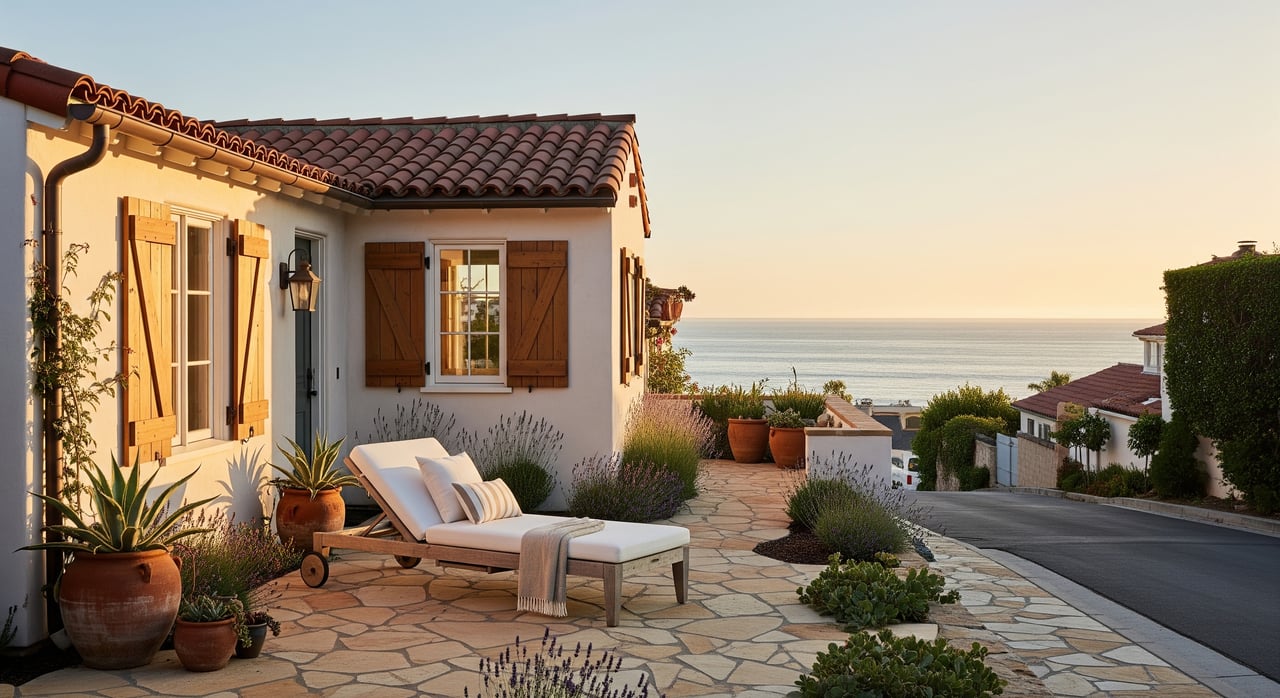
Ocean views and permanence
Not all ocean views are equal. Buyers pay more for clear, stable sightlines. Ask three questions:
- Is the view unobstructed today and at seated height from main living spaces?
- Does the lot slope downhill toward the water, or could a future build block the line of sight?
- Is there protected open space or public land between the home and the ocean that makes the view more permanent?
Academic research on view amenities shows a wide premium range. Partial views can add modest value, while high-quality, unobstructed ocean views have historically produced much larger premiums in some markets. Treat these as illustrative ranges and verify with matched-pair sales on your block. For background on how view amenities influence pricing, see this overview of spatial hedonic analysis of views. Learn more about view amenity premiums.
To support view permanence in your pricing, document sightlines at multiple times of day and check recent permit activity for adjacent parcels through the City’s records. Laguna’s Local Coastal Program also guides what can be built or modified in coastal zones. Review the Local Coastal Program.
Lot position and orientation
Micro-location within North Laguna changes value. Upslope vs. downslope to the ocean, corner vs. mid-block, exposure to Coast Highway noise, street access, and proximity to parks can all require an adjustment during the sales-comparison analysis. Appraisal guidance recommends quantifying these differences with paired sales whenever possible. See appraisal adjustment guidance.
Architecture and character
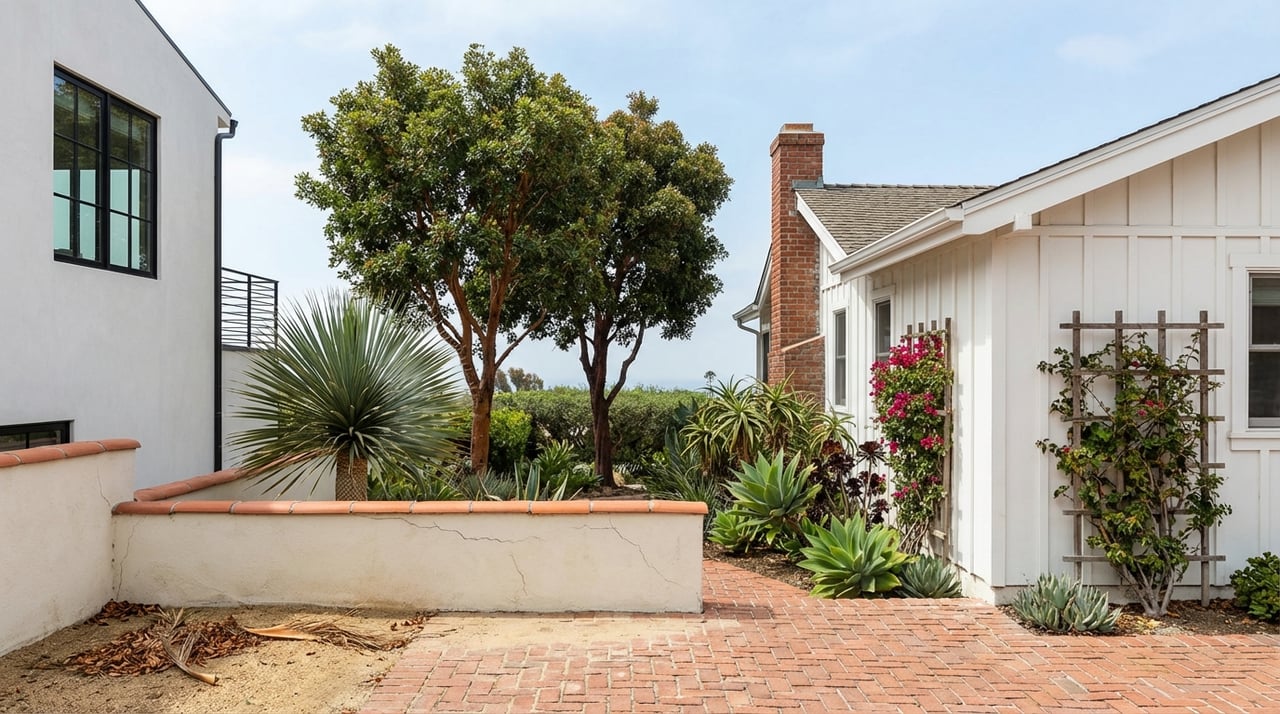
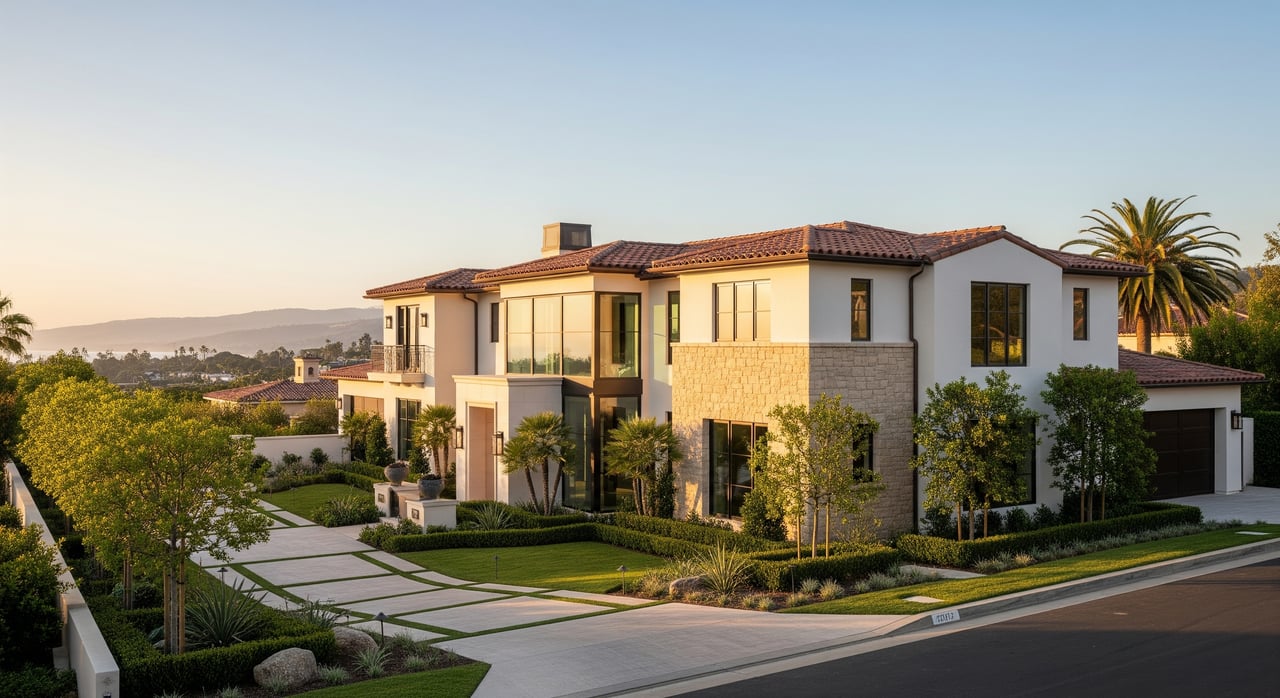
North Laguna includes charming beach cottages, remodeled coastal homes, and hillside contemporaries. Some buyers want authentic village scale and walkability; others want turnkey modern finishes. Identify your target buyer and choose comps they would consider substitutes. Price is not only about square footage. Style and emotional appeal carry weight. Appraisers support these qualitative differences with documented adjustments when matched sales exist. Learn more about the sales-comparison approach.
Renovation level and condition
Buyers will pay for convenience and peace of mind. Kitchens and baths, mechanical systems, roof condition, and outdoor living areas drive perceived value. If your home needs work, buyers will discount to cover cost and risk. Before you spend on upgrades, compare likely return on investment to your market. Regional Cost vs. Value data can help you prioritize projects, such as a minor kitchen refresh or exterior improvements, that often recoup a high share of cost. Check Cost vs. Value benchmarks.
The right comps and timing
The best comps match your location, view class, size, age, and condition. Prioritize sales in the last 3 to 6 months in your micro-neighborhood, then supplement with pending and active listings to gauge momentum. If sales are older, appraisers time-trend them and adjust for differences using matched pairs. Watch sale-to-list ratios and days on market in your price band to decide whether to list at market, aim for the top of range, or price strategically to spark early competition. Review sales-comparison best practices.
Build a defensible list price
1) Pre-listing audit
Start with a document and risk check. Confirm legal lot lines, recorded easements, and permits for any work. In coastal zones, verify whether a Coastal Development Permit was required or obtained, and note any design review history. The City’s Local Coastal Program is your framework for what is permitted and how changes are evaluated. Access the LCP resources.
Screen for coastal hazards and possible insurance or financing impacts, including flood zones and sea level rise exposure. Use federal tools to flag items an appraiser or lender could raise later. Explore NOAA’s sea level rise viewer.
2) Condition grading and cost-to-complete
Walk the property and grade each system: kitchen, baths, roof, HVAC, windows, exterior, hardscape, and decks. For any deferred maintenance or unpermitted work, estimate the cost to cure and build that into your pricing cushion. Lean on regional Cost vs. Value data when weighing pre-listing projects. If a modest kitchen refresh could recoup much of its cost locally, consider doing it before photos and launch. Use Cost vs. Value data.
3) Comparable selection and adjustments
Pull 3 to 6 sold comps inside your micro-market, then refine. Make clear adjustments for view quality, lot position, living area, effective age, and condition. Support each with matched-pair logic when you can, and document the rationale. If you must step outside the immediate area, add a location adjustment and explain why the comp is still relevant. Follow appraisal comparison standards.
4) Pricing strategy and list plan
Set a price range, not a single number. Define a floor, a market-accurate list, and an aspirational top informed by your comps and condition. Choose your tactic:
- List near market if demand is balanced and your presentation is strong.
- Price at the lower end to create competition if early momentum is key and the buyer pool is deep in your band.
- Avoid crowded price bands by slotting just below a common search ceiling to capture more eyeballs.
Use recent sale-to-list ratios and days on market in your micro-segment to justify the choice.
5) Presentation and buyer-facing materials
Buyers in this area often start online and weigh photos, detailed information, and floorplans heavily. High-quality media helps your listing reach its price potential. Highlight view permanence with sightline photography at different times of day, show documented permitted improvements, and include a short, itemized list of recent upgrades with invoices. See what buyers value in listings.
6) Monitor feedback and adjust
Track showings, online activity, and offers in the first 10 to 14 days. If traffic is light, follow a pre-agreed plan to adjust price or marketing. If you receive multiple offers, weigh appraisal risk and financing types before you choose a path. Appraisers reconcile contract price with comparable sales, so large gaps need strong documentation.
Seller checklist: documents and quick wins
Gather these before you list:
- Permit history, design review decisions, and contractor receipts
- Title report, survey or plot map, and any recorded easements
- Utility bills, assessor record, and warranties
- Short-term lodging licenses or history if applicable. Laguna Beach enforces licensing, TOT collection, and operating standards for STL. Review short-term lodging rules
Target quick, high-ROI improvements:
- Fresh, neutral paint and deep clean
- Minor kitchen refresh where it pencils out locally
- Curb appeal upgrades and entry perfection
- Declutter, light staging, and window cleaning to showcase views
Know the red flags that can slow your sale or reduce price: unpermitted work, unresolved coastal permit issues, encroachments, and long-open city orders. Disclose and address what you can. The City’s LCP resources help you identify items that may need attention. Check LCP guidance.
Presentation that commands your price
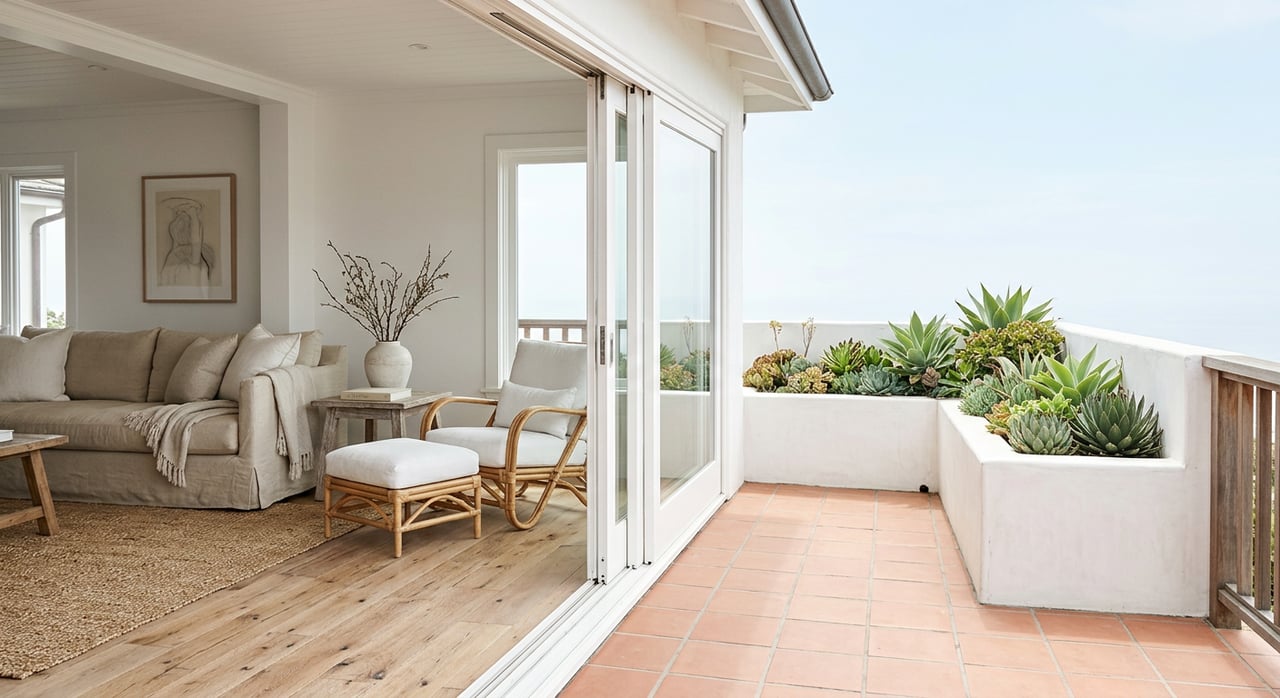
In a premium coastal market, strong presentation is part of pricing. Use media that brings the ocean into the frame and makes outdoor living feel like a natural extension of the interior. Provide floorplans, a features list with model numbers and dates, and a concise property story that orients the buyer to the micro-location and view.
A clear, data-backed narrative can justify the top of your range. For example: “Southwest-facing downslope lot with protected sightline over public parkland; full kitchen and bath remodel in 2023 with permits; new roof in 2022; inspection and service records on HVAC.” That language shows value and reduces buyer risk.
Set expectations and stay nimble
Even with precise pricing, every launch teaches you something. Set expectations for timing, feedback loops, and potential adjustments before you go live. Decide in advance how you will respond if activity misses targets during the first two weekends. In a segment where days on market can stretch, a transparent plan keeps you in control.
Ready to price your North Laguna Village home with confidence? If you want a private, data-backed pricing plan and polished presentation built for this coastal market, connect with Daniel Haney for a discreet consultation.
FAQs
How are ocean views priced in North Laguna?
- View quality and permanence drive value. Clear, stable sightlines from main living spaces can command large premiums, supported by matched-pair sales and view documentation.
What is a realistic price range for a North Laguna Village home?
- Laguna Beach values often sit in the multi-million dollar range, with recent medians near the mid‑$2 millions. Your exact range depends on view, lot, size, condition, architecture, and current comps.
Should I renovate before listing my North Laguna home?
- Focus on projects with strong local ROI and visible impact, like minor kitchen refreshes or curb appeal. Use regional Cost vs. Value data to triage and avoid over-improving.
How do permits and the Local Coastal Program affect value?
- Verified permits and clean coastal records reduce buyer risk and support top-of-range pricing. Check the City’s LCP and permit history early to solve issues before launch.
What pricing strategy works best in a tight coastal market?
- Set a range, then choose to list at market or slightly under to spark competition based on sale-to-list ratios, days on market, and buyer depth in your exact price band.
What should I prepare before my listing appointment?
- Gather permits, contractor invoices, title and survey, utility history, warranties, and any short-term lodging documentation so your agent can price precisely and market confidently.