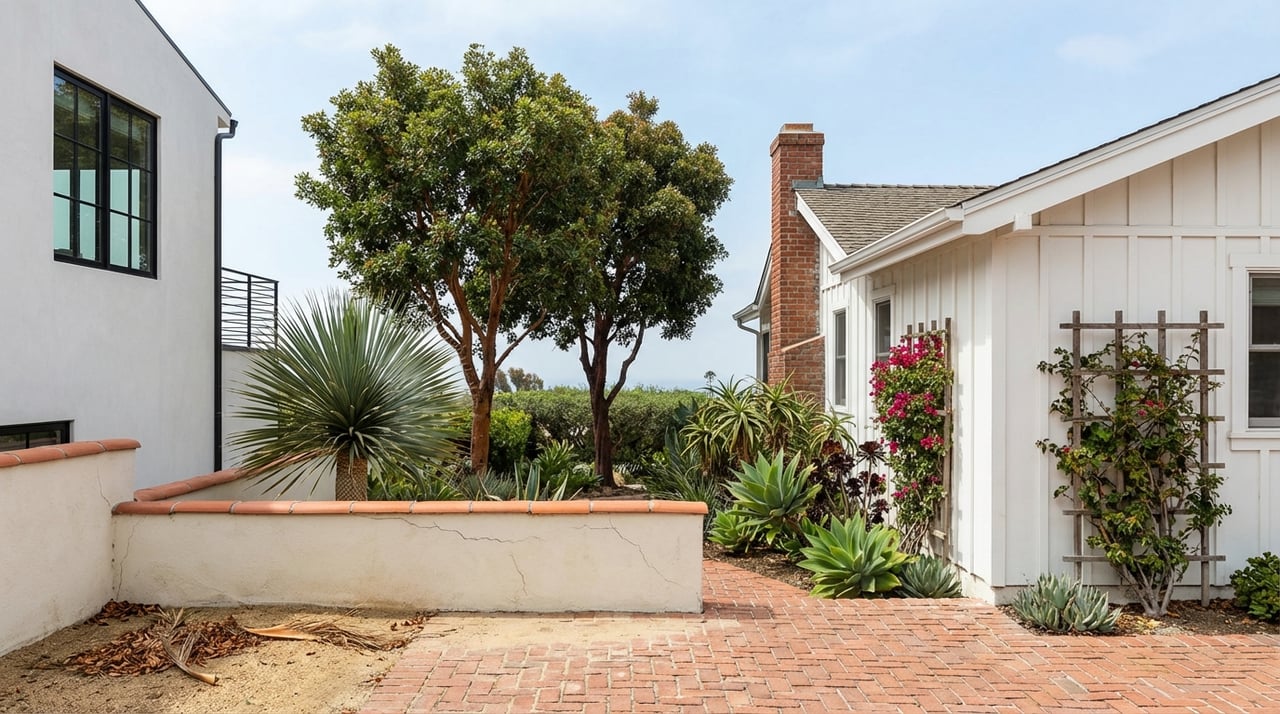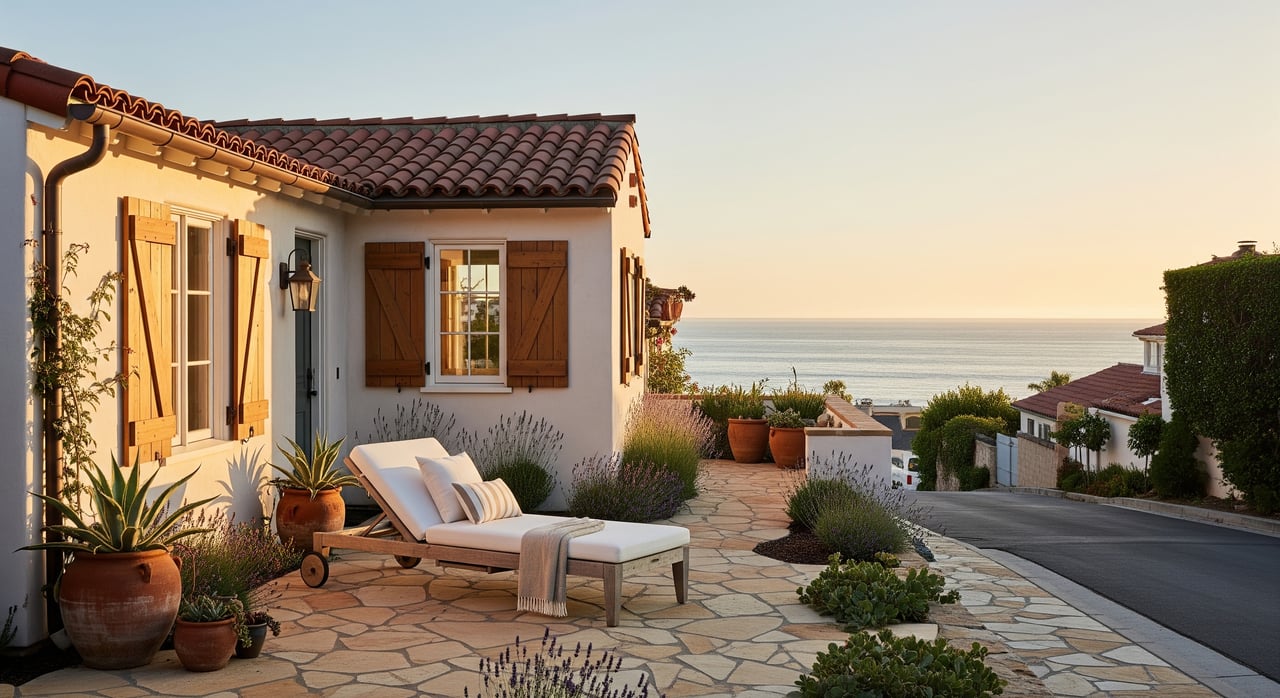
Torn between Crown Point and North Laguna Village for your next coastal home? You are not alone. Both are coveted North Laguna micro-markets with distinct vibes and day-to-day conveniences. In this guide, you will learn how they differ on homes, price context, walkability, beach access, and HOA factors so you can decide which fits your lifestyle best. Let’s dive in.
Before we compare, a quick note on boundaries: local names and borders are informal. You will see “Crown Point” and “Crown Pointe” used interchangeably, and MLS neighborhood polygons, city maps, and HOA definitions may not align. When you get serious about a property, verify the specific block’s neighborhood designation with city planning or GIS maps and your agent’s MLS tools.
Quick snapshot
Crown Point
- Typical feel: quiet residential pocket with scenic coastal outlooks.
- Home mix: largely single-family, with remodels and rebuilds common; limited multi-unit options nearby.
- Access: close to coastal coves; daily beach use depends on your exact street and access-point proximity.
- Walkability: service walkability varies block by block; plan for short drives for some errands.
- HOA: mostly fee-simple homes; some buildings or streets can have HOA or CC&Rs, so confirm early.
North Laguna Village
- Typical feel: residential streets closer to galleries, dining, and Heisler Park.
- Home mix: a broader mix of single-family cottages, remodeled homes, and select condos or townhomes near main corridors.
- Access: a range of public access points to coves and beaches; your exact route may include stairs.
- Walkability: stronger for amenities near Coast Highway and the village core.
- HOA: mix of fee-simple and HOA communities; rules and dues vary by property.
Homes and price context
Both neighborhoods are high-value coastal markets. You will see older cottages, thoughtful remodels, and newer builds where lots allowed vertical or footprint expansion. Condos and townhomes are more likely closer to main corridors, while detached homes dominate side streets. Buyers seeking views often consider elevated or bluff-adjacent blocks, while single-level living can be harder to find due to lot and slope constraints.
For price expectations, use qualitative positioning unless you are pulling a fresh snapshot. Condos typically price substantially below detached homes, and view or walk-to-beach locations command premiums. Market conditions can shift quickly, so confirm with up-to-date MLS data before you set a budget or make an offer.
How to get current numbers:
- Pull 12-month sold medians and price per square foot for each area from your agent’s MLS tools.
- Review 30 to 90-day active listing ranges for on-market pricing and momentum.
- Compare typical home sizes, lot sizes, year built, and remodel frequency using MLS filters and city building permit searches.
If you publish or rely on concrete price bands, always include the snapshot date and source.
Walkability and services
Walkability in both areas is highly block dependent. Homes closer to the village core tend to offer easier access to galleries, cafes, and dining, while hillside or bluff-adjacent streets may trade service walkability for views and quiet.
What to evaluate:
- Walkability and bikeability scores for the specific address, not just the neighborhood label.
- Proximity to grocery, pharmacy, dining, and parks. Use map tools to measure real walking times.
- Transit options on nearby bus routes and realistic service frequency.
- Parking dynamics, including street parking, potential permit zones, driveway size, and guest parking.
If walk-to-dining is a priority, focus on homes closer to the village core. If quiet evenings and outlooks rank higher, look to more residential pockets and confirm your preferred errand routes by visiting at different times of day.
Beach access and coastal hazards
Both areas offer access to scenic coves and sandy stretches. The difference is how easily you can reach them day to day. Some streets provide short, visible routes to a public staircase with lifeguard presence in season, while other blocks may require a drive and park-and-walk during busy periods. Stairs can be steep in spots, so consider mobility when you tour.
What to check:
- Number and location of nearby public access points relative to the property.
- Beach type near your access point: sandy strand, tide pools, or rocky coves.
- Seasonal lifeguard presence, restrooms, and parking options.
- Elevation, flood zones, and coastal hazard guidance. Confirm whether the property or route to the beach is within a flood or tsunami zone, and ask about erosion or bluff considerations for bluff-adjacent homes.
Distinguish between doorstep beach use and preferred-beach access by short drive. Daily beachgoers may want a route that is simple and repeatable with minimal stairs. If you favor a specific cove, prioritize homes with the easiest access to that location.
HOA and ownership checklist
Ownership structures vary. Many detached homes are fee simple with CC&Rs that control certain improvements, while condos and townhomes include monthly dues and association rules. Before you write an offer, request a complete picture of obligations and flexibility.
Bring this checklist to every property:
- HOA existence and monthly dues, if any, and a summary of what dues include.
- CC&Rs, architectural guidelines, exterior rules, and approval procedures.
- Leasing rules, including any minimum lease terms and short-term rental restrictions.
- Pet policies and any occupant or parking restrictions.
- Financial health: reserve study, current budget, and history of special assessments.
- Management structure: self-managed or professional, meeting frequency, and board responsiveness.
- Insurance details: what the HOA covers vs what you must insure separately, including earthquake and flood considerations where applicable.
- Any recorded liens, pending litigation, or planned capital projects.
Policies can differ from building to building and even from block to block. If either the city or the HOA limits short-term rentals, that restriction controls your use.
Environmental and insurance factors
Coastal ownership comes with a few extra items to underwrite. Elevation and proximity to the shoreline can influence flood exposure and insurance advisability. Bluff stability and erosion are relevant for select locations. Earthquake risk is a broader California consideration that still merits quotes and coverage review.
What to do next:
- Confirm flood zone status for the specific property.
- Consider ordering a coastal hazards property report during your due diligence.
- Obtain sample insurance quotes for homeowners, flood, and earthquake coverage.
- Review city guidance and any relevant coastal development policies for future projects.
Decision matrix: choose your fit
Use this simple scoring tool to compare Crown Point and North Laguna Village against your priorities. Set weights first, then score each area.
| Criterion | Weight (0–5) | Crown Point score (1–10) | North Laguna Village score (1–10) | Weighted notes |
|---|---|---|---|---|
| Proximity to beach (walkable) | Note nearest access points and stairs | |||
| Access to dining and shops | Measure walking times to favorites | |||
| Typical home types | Match to your preference for condo vs detached | |||
| Price and value for money | Compare recent sold medians and PPSF | |||
| HOA fees and rules | Summarize dues, CC&Rs, and flexibility | |||
| Parking and guest access | Street permits, driveway size, garage | |||
| Walkability to daily needs | Grocery, pharmacy, parks | |||
| Quiet vs active lifestyle | Visit at day, evening, weekend | |||
| Short-term rental flexibility | Check city code and HOA rules | |||
| Insurance and flood tolerance | Elevation, flood zone, quotes | |||
| Resale liquidity | Days on market trends and buyer pool | |||
| Intangible fit | Views, light, block character |
How to use it:
- Step 1: Assign weights to what matters most to you. For example, if beach access is critical, give it a 5.
- Step 2: Score each neighborhood from 1 to 10. Use your tours, maps, and HOA documents to justify the score.
- Step 3: Multiply and compare totals. The higher total points you toward the better match.
Next steps
Your best choice comes into focus once you walk blocks at different times, map your daily routines, and review HOA documents and insurance quotes. If you are leaning toward Crown Point for its residential feel or North Laguna Village for its amenity access, confirm the exact micro-location with fresh MLS data, city maps, and a street-by-street tour. Small differences in access points, parking patterns, and HOA rules can change your day-to-day experience.
If you would like a discreet, data-backed tour and an apples-to-apples comparison of on and off-market options, connect with Daniel Haney for neighborhood-first guidance.
FAQs
Which area has better beach access for daily use?
- It depends on your exact block and the nearest public access point; map walking routes, check for stairs, and visit at different times to gauge crowding.
Are HOA fees higher in one area than the other?
- Both areas include a mix of fee-simple homes and HOA communities; compare dues and inclusions property by property and review CC&Rs and reserve studies.
Can I do short-term rentals in these neighborhoods?
- Many coastal cities and HOAs limit or ban short-term rentals; confirm current city ordinances and the property’s HOA rules before you rely on rental income.
How do flood or erosion risks compare between the two?
- Exposure varies by elevation and proximity to the shoreline or bluffs; verify flood zones and request coastal hazard reports for any bluff-adjacent properties.
Which neighborhood typically holds value better?
- Resale depends on your home’s specific features and location; compare multi-year sold trends, buyer demand, and days on market for similar properties in each area.
What costs should I budget beyond my mortgage?
- Plan for property taxes, HOA dues if applicable, homeowners insurance, potential flood and earthquake coverage, utilities, and coastal maintenance items like exterior upkeep.