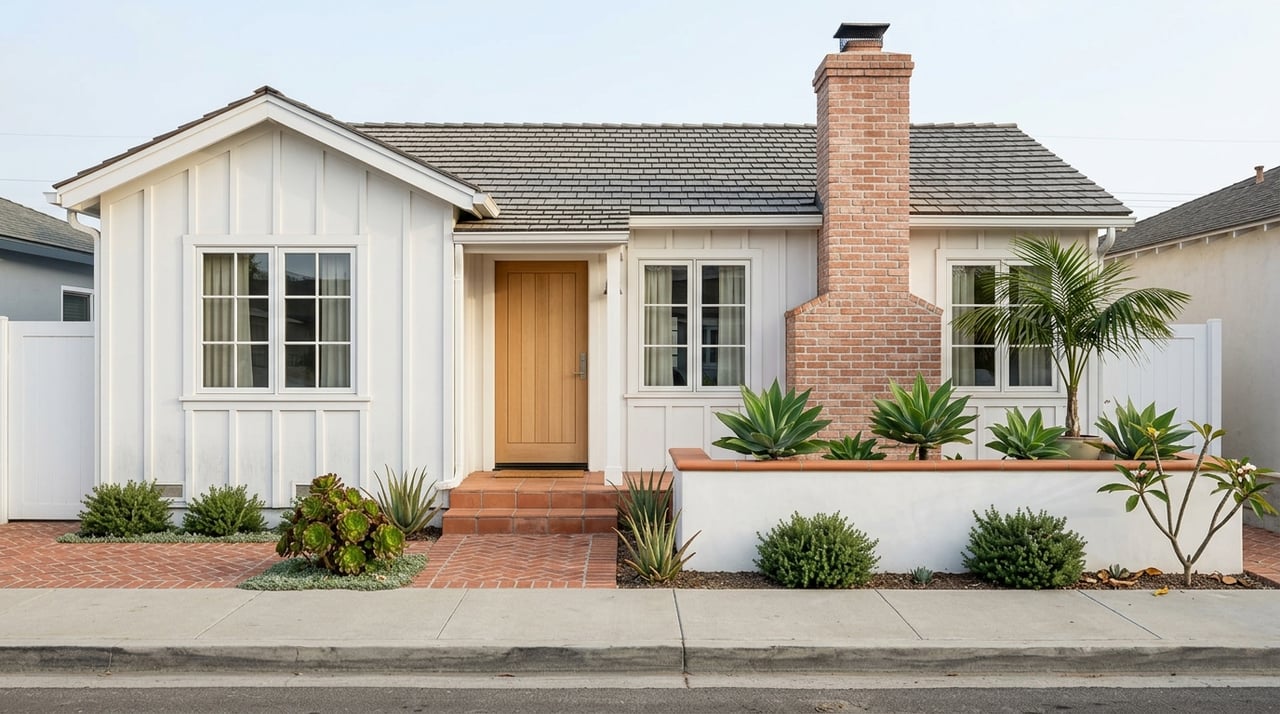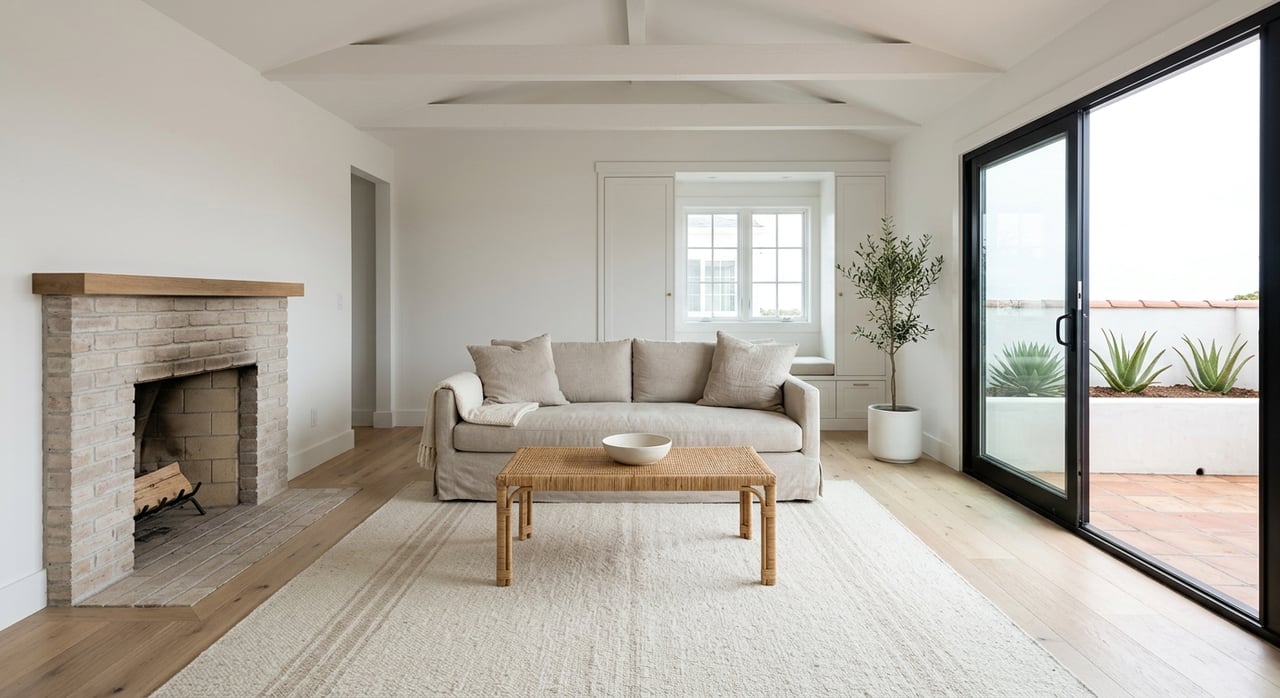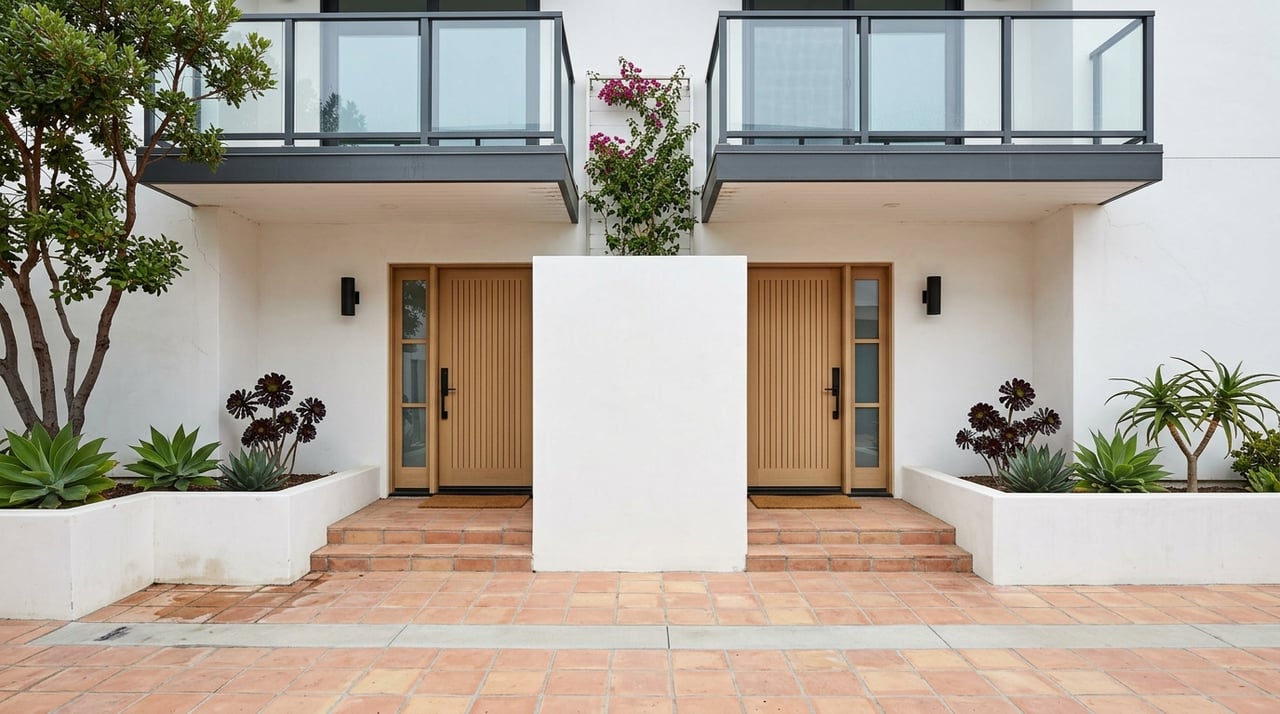
If you are weighing a luxury condo against a detached home in Laguna Beach, you are not just comparing square footage or ocean views. You are choosing between two very different ownership structures, each with its own rules, costs, and lifestyle tradeoffs. A smart comparison can help you avoid surprises around maintenance, privacy, and rental use. Let’s dive in.
Start With Ownership
In Laguna Beach, the biggest difference between a condo and a home is often legal, not visual. In California, a condominium is a common-interest development where you own a separate interest in your unit while common areas are owned or controlled by the homeowners association.
A detached single-family home is different because you typically own the residence and the lot directly, without common ownership of the home site itself. That can give you more control over the parcel, but it also means more direct responsibility.
This distinction matters in luxury markets because some properties blur the line. A detached or site condo may look and feel like a private home, yet it still operates under condominium governance, HOA assessments, and project-level rules.
Why This Matters in Laguna Beach
In a place like Laguna Beach, buyers often focus first on design, view lines, and proximity to the coast. Those things matter, but the ownership model can shape your day-to-day experience just as much.
A detached home often appeals to buyers who want more control over the property itself. A condo can appeal to buyers who value shared maintenance and access to amenities, especially if they want a more lock-and-leave setup.
California’s Department of Real Estate notes a recurring market tendency for higher sale values in single-family homes relative to attached condominiums, tied broadly to consumer preference for detached housing. In practical terms, that means your decision may reflect not only lifestyle, but also how the broader market tends to view land, privacy, and control.
Maintenance Differences to Expect
Condo Maintenance
With a condo, maintenance responsibilities are usually split between you and the HOA. Under California Civil Code 4775, unless the governing documents say otherwise, the association is generally responsible for maintaining and repairing common areas and restoring utility services that begin in the common area.
That does not mean condo ownership is maintenance-free. You are still generally responsible for your unit’s interior maintenance, along with your own insurance obligations, while HOA assessments help fund shared expenses and amenities outside your unit’s footprint.
Home Maintenance
With a detached home, the maintenance picture is often broader. California real estate guidance describes single-family ownership as including items such as the structure, landscaping, fences, and driveways, which helps explain why homes often require more owner-managed upkeep.
For some buyers, that added responsibility is a worthwhile trade for greater control. For others, especially those who split time between residences, the hands-on nature of home ownership may feel less convenient.
When the Difference Narrows
Not every detached home is free from shared obligations. Some single-family neighborhoods are still part of a common-interest development, especially when private streets, gated access, or shared recreational features are involved.
In those cases, a detached home may still come with HOA fees and project rules. That is why it is important to confirm whether a property is a standard subdivision or part of a shared-interest community before making assumptions.
Amenities Versus Privacy
Luxury buyers in Laguna Beach often balance convenience against privacy. This is one of the clearest differences between condos and homes.
What Condos May Offer
Common-interest communities can include shared amenities such as swimming pools, recreation areas, open space, trails, or other project features. Some communities may also supplement local public safety services with private security arrangements.
If you want convenience and managed shared spaces, that can be a meaningful benefit. In some cases, these amenities support a more turnkey ownership experience.
What Homes Often Provide
Detached homes usually offer more separation because there are fewer shared walls, less shared circulation, and more control over the parcel. That typically translates into a stronger sense of privacy, though it is not a legal guarantee.
For many luxury buyers, that privacy is part of the value proposition. In North Laguna and nearby coastal enclaves, the appeal of a detached property often goes beyond the structure itself and includes the autonomy that comes with the parcel.
Rental Flexibility Is Not Simple
One of the biggest mistakes buyers make is assuming that a condo or a home automatically gives them more rental freedom. In Laguna Beach, rental flexibility depends on multiple layers of rules.
Laguna Beach Short-Term Lodging Rules
The City of Laguna Beach states that short-term lodging is no longer allowed in residential districts R-1, R-2, and R-3, except for existing permitted units that may continue as legal nonconforming uses. Short-term lodging is allowed in certain commercial and mixed-use districts, subject to city approvals.
The City says its updated ordinance took effect on July 1, 2025, with enforcement beginning October 1, 2025. It also states that operators need a short-term lodging unit license, a City business license, an Administrative or Conditional Use Permit, and transient occupancy tax registration.
The City further states that operators must have a 24/7 contact who can respond within 60 minutes. New permits are valid for three years, and the combined lodging levy is 12% transient occupancy tax plus a 2% Laguna Beach Tourism Marketing District assessment, with quarterly reporting required even if no rentals occurred.
HOA Rental Rules Matter Too
City rules are only one part of the picture. Under California Civil Code 4741, a common-interest development may prohibit transient or short-term rentals of 30 days or less.
That means a condo buyer needs to study the HOA documents carefully. Even if a property is in an area where a certain use may be allowed by the city, the HOA may still impose tighter limits.
Homes Are Not Automatically More Flexible
Single-family buyers should be careful too. Laguna Beach states that accessory dwelling units may not be used as short-term rentals, which can affect assumptions about income potential or guest-use strategies.
The bottom line is simple: rental rights depend on city zoning, permit status, HOA rules where applicable, and whether any legal nonconforming rights already exist. A condo is not automatically more flexible than a home, and a home is not automatically freer than a condo.
Questions to Ask Before You Buy
When comparing luxury condos and homes in Laguna Beach, it helps to think beyond finishes and views. The better question is how each property allocates responsibility, restrictions, and control.
Before you move forward, review:
- CC&Rs and HOA rules
- HOA budget and reserve information
- Monthly or special assessments
- Leasing and occupancy restrictions
- Parking allocations and guest parking rules
- Exterior modification restrictions
- Whether the property is attached, detached, or a site condo
- Whether a single-family home is part of a common-interest development
- Any existing short-term lodging permit status or legal nonconforming rights
These details can materially affect your ownership experience. They can also influence long-term costs, convenience, and flexibility.
Which Option Fits Your Goals?
If you value shared amenities, project-managed exterior maintenance, and a more streamlined setup, a luxury condo may be the better fit. This can be especially appealing if you want a second home or a residence that feels easier to step away from.
If you value privacy, separation, and greater control over the property itself, a detached home may better match your goals. In Laguna Beach, that distinction can be especially important in view-oriented neighborhoods where parcel control and exterior use carry real lifestyle value.
The right answer often depends on how you plan to live in the property, how much upkeep you want to manage, and whether rental use is part of your long-term plan. In a market with detached homes, attached condos, and detached site condos that can look nearly identical from the street, careful property-level review matters.
In Laguna Beach luxury markets, the smartest buyers look past labels and focus on the ownership details that shape real life. If you want a clear, discreet read on a specific property, connect with Daniel Haney for thoughtful guidance grounded in neighborhood knowledge.
FAQs
What is the main difference between a Laguna Beach condo and a home?
- A condo usually means shared ownership elements and HOA governance, while a detached home usually means direct ownership of the residence and lot.
Do Laguna Beach luxury condos always have less maintenance?
- Not always. Condos often shift common-area maintenance to the HOA, but owners still handle many unit-level responsibilities and pay assessments.
Can a detached property in Laguna Beach still have HOA rules?
- Yes. Some detached homes are part of common-interest developments with shared amenities, private streets, or other HOA-managed features.
Are short-term rentals allowed for Laguna Beach condos and homes?
- It depends on the property’s zoning, city permit status, HOA rules, and whether any legal nonconforming rights exist.
Can an ADU on a Laguna Beach home be used as a short-term rental?
- No. The City of Laguna Beach states that ADUs may not be used as short-term rentals.
Why do detached condos matter in Laguna Beach luxury markets?
- A detached or site condo may look like a private home but still operate under condominium rules, HOA assessments, and shared-governance documents.